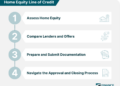

Embark on a journey through the best home equity line of credit options tailored for real estate investors. This guide aims to provide valuable insights and practical advice to help you make informed decisions in the realm of real estate investment.
Delve into the nuances of different types of HELOCs, qualifications and requirements for investors, choosing the right lender, and maximizing benefits while minimizing risks.
Types of Home Equity Lines of Credit (HELOCs)
When it comes to Home Equity Lines of Credit (HELOCs), there are different types available to suit the needs of real estate investors. Let's explore the key differences and benefits of each type.Traditional HELOC vs. HELOCs for Real Estate Investors
Traditional HELOCs are typically used by homeowners to access funds for various purposes, such as home renovations or debt consolidation. On the other hand, HELOCs specifically designed for real estate investors are tailored to meet the unique needs of individuals looking to invest in real estate properties.Benefits of Each Type of HELOC for Real Estate Investment
- Traditional HELOC:
- Flexible access to funds based on the equity in your primary residence.
- Lower interest rates compared to other financing options.
- Ability to use the funds for various purposes, including real estate investments.
- HELOCs for Real Estate Investors:
- Higher credit limits to accommodate larger real estate investments.
- Specific features tailored to the needs of investors, such as interest-only payments.
- Opportunity to leverage equity in investment properties for further real estate acquisitions.
Typical Interest Rates Associated with Different HELOC Options
Depending on the lender and the specific terms of the HELOC, interest rates can vary. However, in general:Traditional HELOCs usually have lower interest rates compared to other types of financing due to the collateral provided by the primary residence.
HELOCs for real estate investors may have slightly higher interest rates to account for the increased risk associated with real estate investments.
Qualifications and Requirements for Real Estate Investors
 As a real estate investor looking to secure a Home Equity Line of Credit (HELOC), there are specific qualifications and requirements you need to meet to be eligible for this type of financing. Here we will delve into the key aspects you need to consider before applying for a HELOC.
Credit Score Requirements
To qualify for a HELOC as a real estate investor, you typically need a good to excellent credit score. Lenders generally look for a credit score of 680 or higher for HELOC approval. A higher credit score demonstrates your creditworthiness and ability to manage debt responsibly, increasing your chances of securing a HELOC with favorable terms.Income Verification and Financial Requirements
In addition to a solid credit score, lenders will also require you to provide proof of income and financial stability. This may include tax returns, bank statements, and other financial documents to verify your income sources and ensure you have the means to repay the HELOC. Lenders want to see that you have a steady income stream to support your borrowing needs.Loan-to-Value (LTV) Ratio Considerations
Another important factor that real estate investors need to consider when applying for a HELOC is the Loan-to-Value (LTV) ratio. This ratio represents the amount of the loan compared to the value of the property used as collateral. Lenders typically have LTV ratio limits, with most requiring an LTV ratio of 80% or lower for HELOC approval. This means that you should have substantial equity in your property to qualify for a HELOC.Choosing the Best Lender for Real Estate Investment HELOCs
When it comes to selecting a lender for your real estate investment HELOC, it is essential to consider various factors that can impact your overall experience and financial outcomesComparing and Contrasting Lenders Offering HELOCs
- Research and compare interest rates offered by different lenders to find the most competitive options.
- Consider the loan-to-value ratio each lender is willing to provide, as this can affect the amount of credit you can access.
- Look into the repayment terms and flexibility offered by each lender to ensure they align with your investment goals.
Importance of Reputation and Customer Service
- Choose a lender with a solid reputation in the industry to ensure reliability and trustworthiness in your financial transactions.
- Prioritize lenders that offer excellent customer service, as this can make your borrowing experience smoother and more efficient.
- Read reviews and testimonials from other real estate investors to gauge the overall satisfaction and experiences with different lenders.
Tips for Negotiating Favorable Terms
- Highlight your real estate investment experience and success to negotiate better interest rates and terms with lenders.
- Be prepared to discuss your investment plans and how the HELOC will contribute to your overall strategy to showcase your commitment and reliability.
- Compare offers from different lenders and use them as leverage to negotiate better terms that suit your financial needs and goals.
Maximizing Benefits and Minimizing Risks
When it comes to leveraging a Home Equity Line of Credit (HELOC) for real estate investments, there are several strategies that can help investors maximize benefits while minimizing risks. By understanding the potential risks involved and implementing sound investment strategies, real estate investors can make the most out of their HELOC.Effective HELOC Strategies for Real Estate Investments
- Utilize HELOC funds for property renovations or improvements to increase the property's value.
- Use the HELOC for a down payment on a new investment property to expand your real estate portfolio.
- Take advantage of lower interest rates on a HELOC compared to traditional loans for real estate financing.
- Reinvest profits from rental properties into paying off the HELOC balance to reduce interest costs.
Potential Risks of Using a HELOC for Real Estate
- Fluctuations in interest rates can lead to higher monthly payments, impacting cash flow.
- Defaulting on HELOC payments can result in the loss of the property used as collateral.
- Market downturns can affect the value of investment properties, making it challenging to repay the HELOC.
Successful Real Estate Investment Strategies with HELOC
- Using a HELOC to purchase a distressed property, renovate it, and sell it for a profit.
- Acquiring a rental property with a HELOC and generating passive income through rental payments.
- Consolidating high-interest debt with a HELOC, freeing up cash flow for further real estate investments.
Summary
Wrapping up our exploration of home equity line of credit options for real estate investors, this guide offers a holistic view of the intricacies involved in leveraging HELOCs for real estate ventures. Armed with this knowledge, you're better equipped to navigate the realm of real estate investment with confidence.
FAQs
What are the key differences between traditional HELOCs and HELOCs designed for real estate investors?
Traditional HELOCs are more general-purpose, while HELOCs for real estate investors often come with specific features tailored to investment needs, such as higher credit limits and flexible repayment terms.
What credit score is typically required for real estate investors to qualify for a HELOC?
Real estate investors usually need a credit score of 680 or higher to qualify for a HELOC, but this can vary depending on the lender and other financial factors.
How can real estate investors effectively leverage a HELOC for investment purposes?
Real estate investors can maximize the benefits of a HELOC by using it for property purchases, renovations, or as a source of emergency funds, but it's essential to have a well-thought-out investment strategy in place.